Professional Emergency Locksmith Barcelona Same-Day Help. Many people in Barcelona discover they need a locksmith at 2 a.m., and this article walks through practical choices and trade-offs when hiring emergency help. I write from years of on-call field experience and from helping residents compare real costs and real risks.
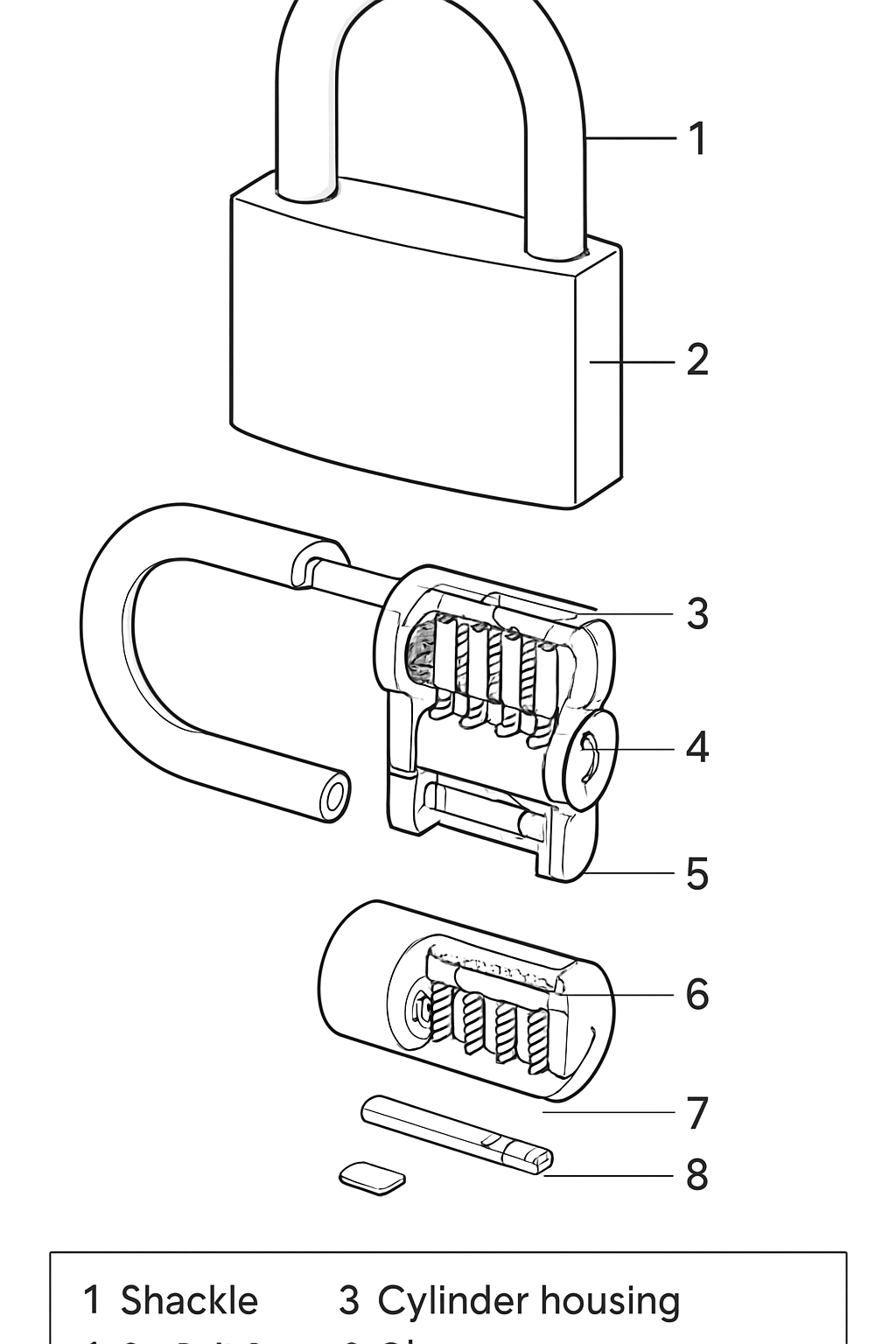
When you call an on-call locksmith what happens.
A good technician will arrive quickly and show identification without being rushed. The first step is a clear description of the fault, an honest time estimate, and a plain explanation of repair versus replacement. If a car is involved, technicians will explain whether they can open the vehicle without drilling or whether a new key is required.
Typical emergency response times and realistic windows.
Response times advertised as "15 minutes" are optimistic and depend on traffic and shift coverage. Plan for a 20 to 60 minute wait inside the city, and for 45 minutes to 90 minutes if you are in the hills or the suburbs. You can reduce uncertainty by asking the company to text the technician's estimated arrival and license plate when possible.
Understanding the cost structure for after-hours locksmith work.
Emergency calls at night carry a premium because technicians accept fewer shifts and face higher operating costs. Expect a call-out fee plus either a flat repair price or a per-hour charge, with any replacement parts billed in addition. If a cylinder must be replaced, you should expect prices to vary with the grade and brand, from modest budget cylinders to premium, higher-security units that cost more.
How to vet a locksmith quickly on the phone.
Request proof of identity on arrival, confirmation of business registration, and explicit liability insurance details. Demand a straightforward quote for the call-out fee and an estimate for likely repair work, and ask what would trigger extra charges. Find out whether they'll pick the lock, bypass the mechanism, or perform a cylinder swap so you can weigh the cost and future security implications.
When non-destructive entry is possible and why it matters.
If the lock is picked or skillfully bypassed, there's no cylinder damage and you save on parts and installation. High-security cylinders and some electronic or sealed systems resist picking, so technicians may need to change strategy if the lock is protected. If drilling or destructive entry is unavoidable, insist that the fitter use a replacement cylinder from a recognized brand and secure the mechanism correctly.
Replacing lost or broken car keys: trade-offs and costs.
Because of immobilizers and key electronics, a straight mechanical locksmith skillset is sometimes not enough for modern vehicles. If your car is pre-2005 or lacks transponders, a mobile locksmith will usually cut and code a key on site; for newer cars they may need to order a blank and program it. If your vehicle is a brand that uses manufacturer-only security systems, the shop may advise visiting a dealer, or they may work with a specialist who handles that brand.

Protecting yourself when hiring a locksmith and keeping records.
Document the technician's identification and the license plate of their vehicle, and get an itemized receipt after work is complete. Visible documentation protects you if a repair is faulty or if accidental damage occurs, and insurers prefer written records for claims. A short message trail or a photographed estimate will resolve many disputes more quickly than complaint letters alone.
Pros and cons of small locksmith shops versus bigger companies.
Local shops sometimes deliver faster response in one district because they position their techs accordingly. National or regional firms can dispatch additional staff quickly during surges and may offer formal warranties. Choose an independent for personal service and possibly lower cost, or a larger firm for formal guarantees and easier complaints handling.

Security upgrades and sensible investments after an emergency.
A cylinder upgrade is a conservative and cost-effective first move after a lock failure. Weak frames and cheap screws are common failures; changing to longer bolts and reinforced plates is often inexpensive and effective. Anti-snap and anti-drill features matter most for visible doors and for areas with higher break-in rates, so allocate budget accordingly.
Preventive actions that lower the chance of lock emergencies.
Duplicate keys and keep one in a secure, hidden location or with a trusted neighbor to avoid lockouts. A quick annual check avoids seized cylinders and misaligned plates that force destructive entry when they fail. Electronic locks need a plan for battery failure or connectivity loss, so include a mechanical backup or an outside key option.
Short field stories and practical takeaways from actual calls.
I've seen cases where a quick call before force was used avoided a ruined frame and a full replacement. Misunderstanding the technology in modern cars is common, and what looks like a simple key sometimes requires specialist programming that adds time and expense. A fair price with a warranty and a reputable fitter is usually less expensive over the year than repeated emergency hires.
Using consumer protection when necessary.
When charges seem inappropriate request a detailed invoice, keep evidence, and escalate to the appropriate consumer agency in Barcelona. A reputable firm will correct defective work; refusal to do so is a red flag and grounds for formal complaint and possibly small claims court. Evidence like photos, messages, invoices, and eyewitness statements shortens the time to a resolution and helps mediators decide the case.
What to do in the first 10 minutes after you get locked out.
Before calling check you have ID, a clear problem description, your precise address and access instructions, and a reachable number. Request an ETA, the call-out fee, and the technician's name and vehicle plate to verify identity on arrival. On arrival, photograph ID, get a short written quote, and do not authorize additional work without a clear explanation and price.
Following these steps will help you avoid unnecessary costs, protect your property, and find technicians who do reliable, documented work. Store a trusted locksmith's contact, keep a safe spare key, and choose documented guarantees rather than a risky bargain.